
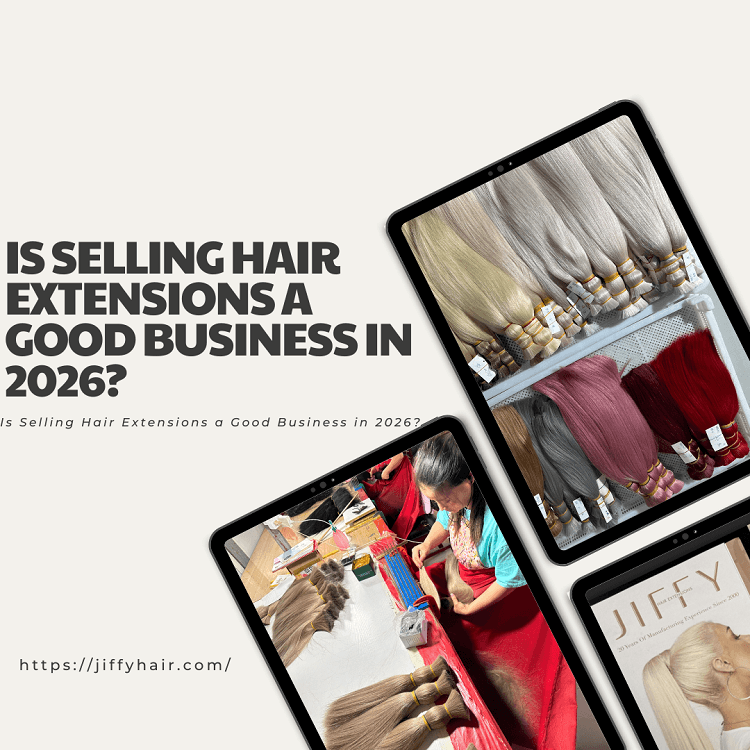
Yes, Selling Hair Extensions remains one of the most promising opportunities in the beauty industry in 2026. Consumer demand for longer, fuller, and more versatile hairstyles continues to grow worldwide, while social media, e-commerce, and salon services have made hair extensions more mainstream than ever. For entrepreneurs, salon owners, wholesalers, and beauty brands, the opportunity to Start a Hair Extensions Business is still strong—provided they understand market trends, source quality products, and partner with the right hair extensions factory.
The industry has evolved significantly over the past decade. What was once considered a luxury beauty service is now part of many consumers’ regular beauty routines. From tape-ins and clip-ins to hair toppers and halo extensions, modern buyers are seeking customized solutions that fit their lifestyles.
But is it still profitable? Is the market too crowded? And how can new businesses compete against established brands?
Let’s explore what the hair extension industry looks like in 2026 and whether it remains a smart investment.
Why Is the Hair Extension Market Still Growing?
Key Takeaway: Demand continues expanding across multiple customer segments
The global hair extension market is no longer limited to celebrities or salon professionals.
Today’s buyers include:
- Everyday consumers
- Beauty influencers
- Salon clients
- Hair loss sufferers
- Men seeking hair replacement solutions
As beauty standards evolve, demand for extension products continues rising.
This is one reason why Selling Hair Extensions remains attractive for entrepreneurs.
What Is Driving Hair Extension Demand in 2026?
Key Takeaway: Consumers want convenience, confidence, and customization
Several factors fuel industry growth:
Instant Transformation
Extensions provide immediate results.
Hair Loss Solutions
More consumers seek non-surgical volume solutions.
Social Media Influence
Beauty trends spread faster than ever.
Personalization
Customized colors and textures are increasingly popular.
These trends create ongoing opportunities for businesses entering the market.
Is It Difficult to Start a Hair Extensions Business Today?
Key Takeaway: Entry barriers are lower than many people think
One of the biggest advantages of the industry is accessibility.
Many entrepreneurs can Start a Hair Extensions Business without:
- Owning a factory
- Opening a retail store
- Holding large inventories
Modern sourcing models make it easier to launch than ever before.
Why Do So Many Entrepreneurs Choose to Start a Hair Extensions Business?
Key Takeaway: The industry offers flexibility and scalability
Business owners can operate through:
E-Commerce Stores
Sell directly to consumers online.
Salon Retail
Offer products alongside services.
Wholesale Distribution
Supply salons and retailers.
Private Label Brands
Build a unique identity and customer base.
This flexibility attracts new entrepreneurs every year.
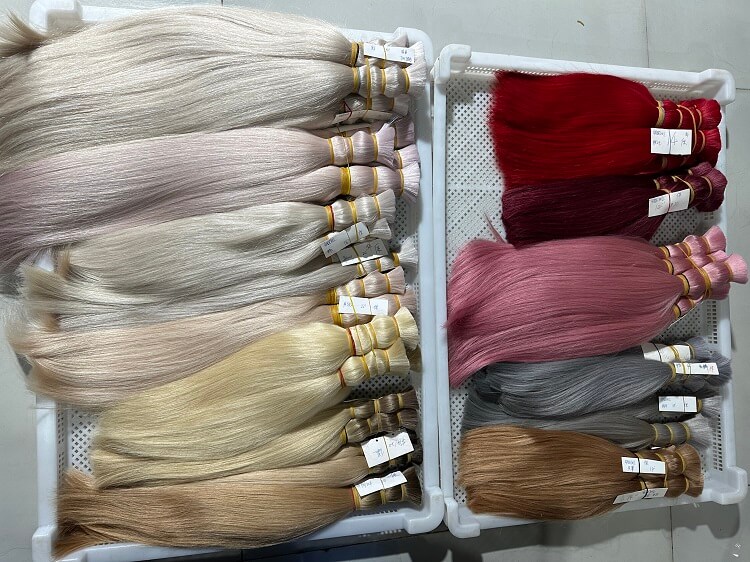
What Hair Extension Products Are Most Popular in 2026?
Key Takeaway: Natural-looking solutions dominate demand
Top-selling categories include:
Tape-In Extensions
Lightweight and discreet.
Clip-In Extensions
Ideal for temporary wear.
Halo Extensions
Comfortable and beginner-friendly.
Weft Extensions
Popular among professional stylists.
Hair Toppers
Growing rapidly among thinning-hair consumers.
Businesses that align with these trends often perform better.
Can Selling Hair Extensions Be Profitable?
Key Takeaway: Profitability depends on sourcing and branding
The potential profit margin varies widely.
Factors include:
- Product quality
- Marketing strategy
- Supplier relationships
- Customer retention
Businesses sourcing directly from a hair extensions factory often achieve healthier margins than those buying through multiple distributors.
Why Does Product Quality Matter So Much?
Key Takeaway: Repeat customers drive long-term success
Customers quickly recognize quality differences.
Poor-quality products often lead to:
- Tangling
- Shedding
- Negative reviews
- Refund requests
Premium products encourage:
✓ Repeat purchases
✓ Referrals
✓ Positive reviews
Quality is one of the strongest competitive advantages in Selling Hair Extensions.
How Important Is Choosing the Right Hair Extensions Factory?
Key Takeaway: Your supplier impacts every part of your business
The right hair extensions factory can provide:
- Consistent quality
- Competitive pricing
- Reliable production
- Custom manufacturing
The wrong supplier can create inventory problems, delays, and customer complaints.
Supplier selection should never be rushed.
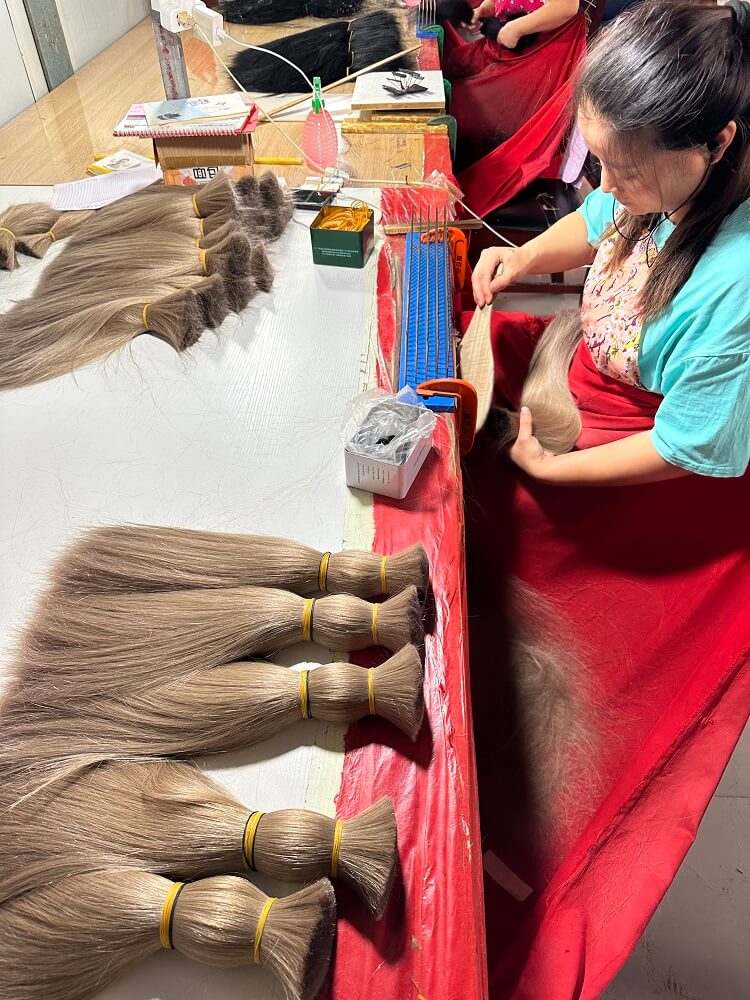
What Should You Look for in a Hair Extensions Factory?
Key Takeaway: Transparency and consistency matter
When evaluating a hair extensions factory, ask:
Manufacturing Questions
- How long have you operated?
- What is your production capacity?
Quality Questions
- Can samples be provided?
- How is quality controlled?
Business Questions
- What are the MOQs?
- Is private labeling available?
Strong factories welcome these conversations.
Why Is Private Label Growing So Quickly?
Key Takeaway: Branding creates long-term value
Private labeling allows businesses to:
- Build customer loyalty
- Differentiate products
- Increase perceived value
Many successful companies that Start a Hair Extensions Business choose private label models from day one.
How Much Inventory Do New Businesses Need?
Key Takeaway: Start strategically, not aggressively
Many new entrepreneurs assume they need large inventories.
In reality, starting smaller often reduces risk.
Focus on:
- Best-selling lengths
- Popular colors
- Core extension categories
Inventory should grow alongside demand.
What Are the Biggest Challenges When Selling Hair Extensions?
Key Takeaway: Competition requires differentiation
The industry is competitive.
Common challenges include:
Price Competition
Cheap products flood some markets.
Brand Awareness
New businesses must build trust.
Customer Education
Many buyers need guidance.
Supplier Reliability
Production consistency is essential.
Businesses that overcome these challenges often thrive.
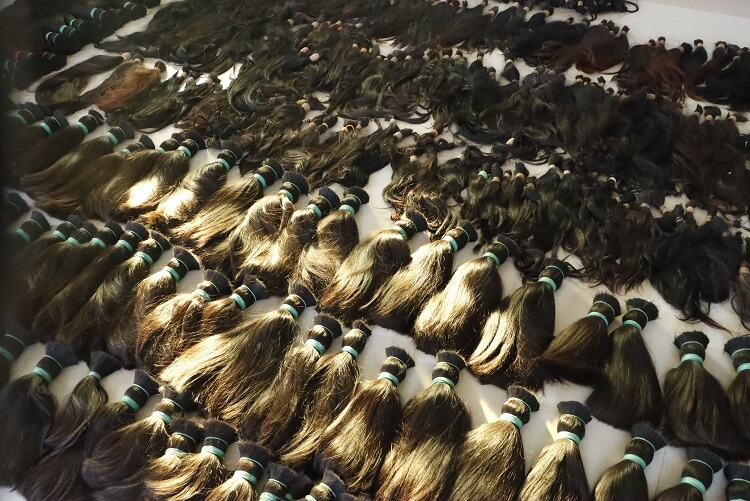
How Can Salons Benefit from Selling Hair Extensions?
Key Takeaway: Extensions create multiple revenue streams
Salons can profit from:
- Product sales
- Installation services
- Maintenance appointments
- Repeat visits
For many salons, Selling Hair Extensions becomes a major revenue source.
Why Are Hair Toppers and Hair Loss Solutions Growing?
Key Takeaway: The market extends beyond traditional extensions
Consumers increasingly seek solutions for:
- Thinning hair
- Volume loss
- Aging-related changes
Hair toppers represent one of the fastest-growing categories in the industry.
This creates new opportunities for brands and wholesalers.
What Trends Will Shape the Hair Extension Industry in 2026?
Key Takeaway: Natural appearance is the dominant trend
Key developments include:
Invisible Installations
Clients want undetectable results.
Lightweight Extensions
Comfort is increasingly important.
Customized Colors
Personalized shades are in high demand.
Sustainable Purchasing
Consumers are becoming more conscious buyers.
Businesses that adapt to these trends gain a competitive advantage.
Can Small Businesses Compete with Major Brands?
Key Takeaway: Niche positioning often beats size
Large brands have bigger marketing budgets.
However, smaller businesses can compete through:
- Personalized service
- Specialized products
- Faster response times
- Strong customer relationships
A focused strategy often outperforms a broad one.
Why Are More Entrepreneurs Working Directly with Factories?
Key Takeaway: Direct sourcing improves profitability
Working directly with a hair extensions factory may provide:
✓ Better pricing
✓ More customization
✓ Faster communication
✓ Greater product control
Factory-direct sourcing has become increasingly common among successful businesses.
How Can Jiffy Hair Factory Help New Businesses Grow?
Key Takeaway: Manufacturing partnerships simplify expansion
The jiffy hair factory approach can support businesses through:
- Product customization
- Private labeling
- Consistent production
- Wholesale programs
For entrepreneurs seeking to Start a Hair Extensions Business, reliable factory partnerships can reduce many early-stage challenges.
What Makes a Hair Extension Business Successful Long Term?
Key Takeaway: Consistency beats short-term tactics
Successful businesses focus on:
Quality Products
Customer satisfaction starts here.
Reliable Suppliers
Production stability matters.
Strong Branding
Differentiation drives loyalty.
Excellent Service
Relationships create repeat buyers.
These principles remain relevant regardless of market conditions.
Conclusion: Is Selling Hair Extensions a Good Business in 2026?
For many entrepreneurs, the answer is a clear yes.
Selling Hair Extensions continues to offer significant opportunities thanks to growing consumer demand, expanding product categories, and increasing accessibility for new businesses.
Key Takeaways
- The market remains strong in 2026.
- Many entrepreneurs successfully Start a Hair Extensions Business with relatively low barriers to entry.
- Product quality is critical for long-term growth.
- Choosing the right hair extensions factory significantly impacts profitability and customer satisfaction.
- Private labeling continues to gain popularity.
- Partnerships such as those offered through jiffy hair factory can help businesses scale more efficiently.
The opportunity is still there. The businesses that succeed are the ones that combine quality products, reliable sourcing, and a clear understanding of what modern consumers want.
FAQs
1. Is Selling Hair Extensions still profitable in 2026?
Yes. Demand remains strong across salon, retail, and e-commerce markets.
2. How much money do I need to Start a Hair Extensions Business?
Startup costs vary, but many businesses begin with relatively modest investments through wholesale or private-label programs.
3. Why is choosing the right hair extensions factory important?
The factory affects product quality, pricing, customization, and inventory reliability.
4. Can small businesses compete with major hair brands?
Absolutely. Many smaller brands succeed through niche marketing, customer service, and product specialization.
5. How can jiffy hair factory support new entrepreneurs?
By offering manufacturing expertise, wholesale opportunities, private labeling, and scalable production solutions.

About Jiffy Hair – Trusted Wholesale Hair Extensions Supplier
Jiffy Hair Factory is a professional human hair extensions manufacturer and wholesale supplier established in 2001.
With over 20 years of experience in the hair industry, we specialize in producing salon-quality human hair extensions for salons, distributors, and hair brands across the United States and Europe.
Our factory follows strict quality control standards, including raw hair selection, professional processing, and multiple inspection stages to ensure consistent quality for professional markets.
We provide reliable bulk hair extension supply, private label services, and custom packaging solutions to support growing hair businesses worldwide.
If you are looking for a reliable hair extension factory or wholesale supplier, Jiffy Hair is ready to support your brand.
Contact Jiffy Hair Factory to learn more about our wholesale hair extensions and partnership opportunities.


 English
  Español