
If you are choosing between Clip-In vs Tape-In Extensions for thinning top areas, the better option depends on your hair density, lifestyle, and the type of coverage you need. In most cases, tape-in extensions are better for clients with thinning tops because they create flatter, more natural-looking coverage, while clip-in extensions work better for temporary volume and occasional styling.
Hair thinning around the crown and top of the head has become one of the most common concerns among women looking for hair enhancement solutions. Many clients do not necessarily need a full wig or hair topper—they simply want more volume, better blending, and a confidence boost while keeping a natural appearance.
For salon owners and hair extension professionals, understanding the difference between clip in hair extensions vs tape in is essential. The right recommendation can improve client satisfaction, reduce installation issues, and create long-term business opportunities.
As a professional human hair extensions factory, Jiffy Hair works with salons, wholesalers, and hair brands worldwide to provide premium extension solutions designed for different hair types and customer needs.
What Causes Thinning on the Top of the Head?
Key Takeaway: Thinning tops require lightweight solutions that add volume without creating extra stress on natural hair.
The top and crown areas are often the first places where clients notice hair thinning.
Common causes include:
- Hormonal changes
- Aging
- Stress
- Genetics
- Over-processing
- Excessive heat styling
- Hair tension from tight hairstyles
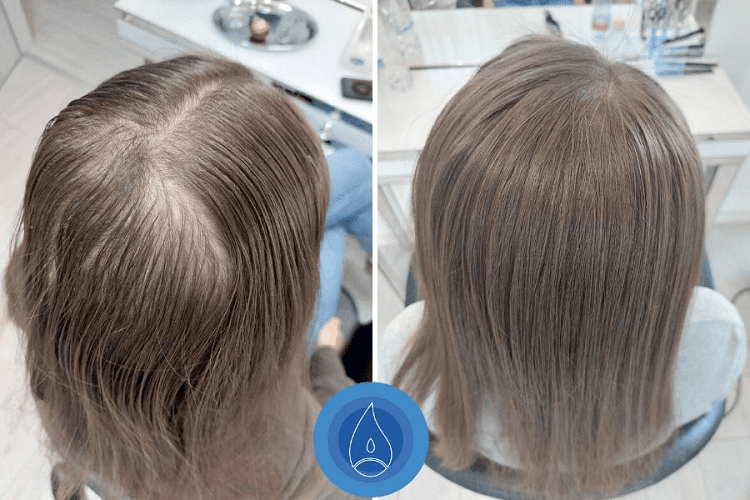
Unlike overall hair loss, thinning at the crown usually means the client still has natural hair but needs additional density and coverage.
This is why choosing between Clip-In vs Tape-In Extensions requires more consideration than simply choosing the cheapest option.
Why Is Choosing the Right Extension Method Important for Thin Hair?
Key Takeaway: The wrong extension method can add unnecessary weight and make thinning areas more visible.
For clients with fine or thinning hair, extension selection should focus on:
- Lightweight attachment
- Natural blending
- Comfortable wear
- Minimal tension
- Invisible application
Heavy extensions or poorly placed attachments may pull on weak hair and create an unnatural appearance.
Professional stylists usually evaluate:
- Hair density
- Scalp condition
- Natural hair strength
- Desired volume
- Daily lifestyle
before recommending clip in hair extensions vs tape in.
What Are Clip-In Hair Extensions?
Key Takeaway: Clip-ins are temporary, flexible, and ideal for clients who want occasional volume.
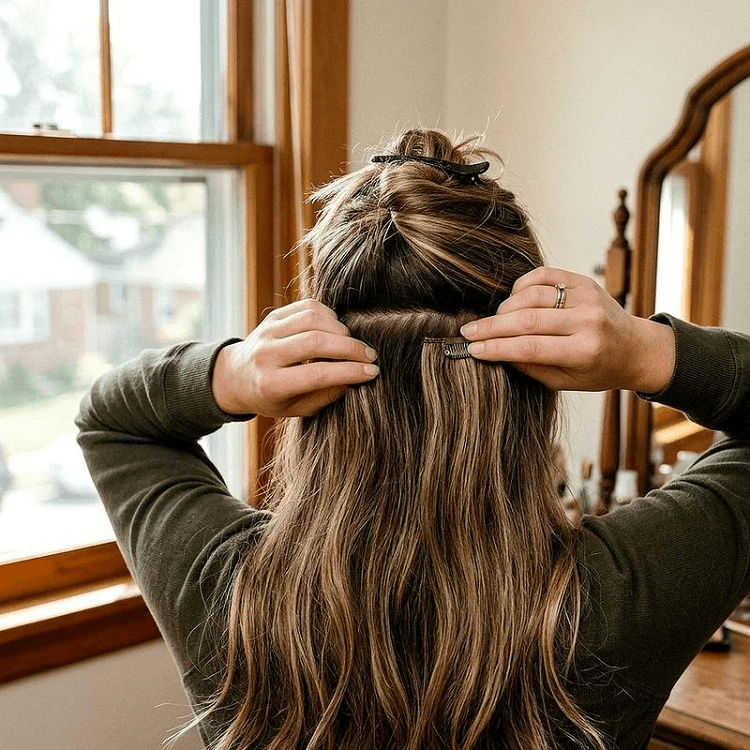
Clip-in extensions are wefts of hair attached with small clips that can be applied and removed at home.
They are popular because they offer:
- Quick installation
- No professional appointment required
- Easy removal
- Styling flexibility
- Lower upfront cost
For clients who want fuller hair for:
- Weddings
- Events
- Photoshoots
- Special occasions
clip-ins can be a convenient solution.
However, when comparing clip in hair extensions vs tape in, clip-ins have limitations for thinning tops.
What Are Tape-In Hair Extensions?
Key Takeaway: Tape-ins provide a flatter, more seamless attachment that works well for fine and thinning hair.
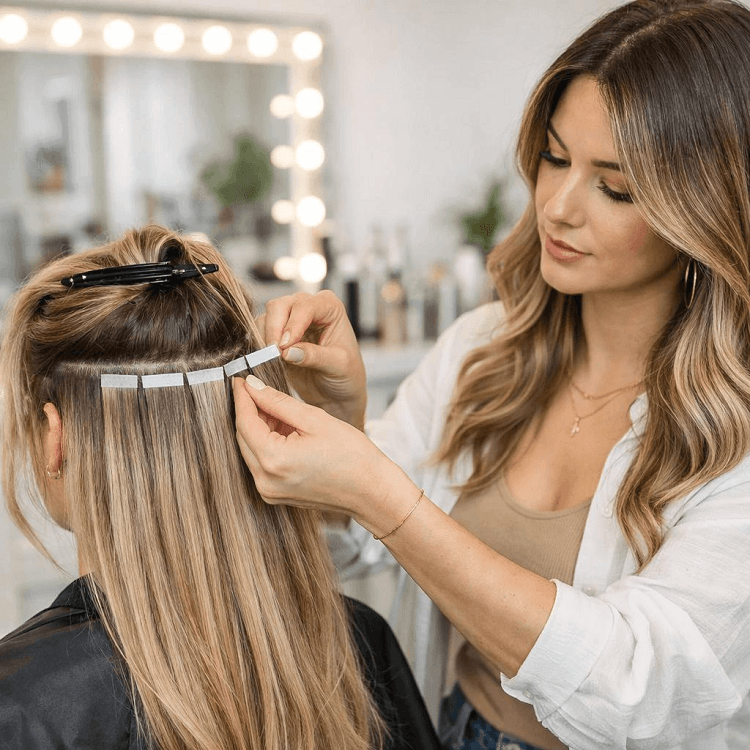
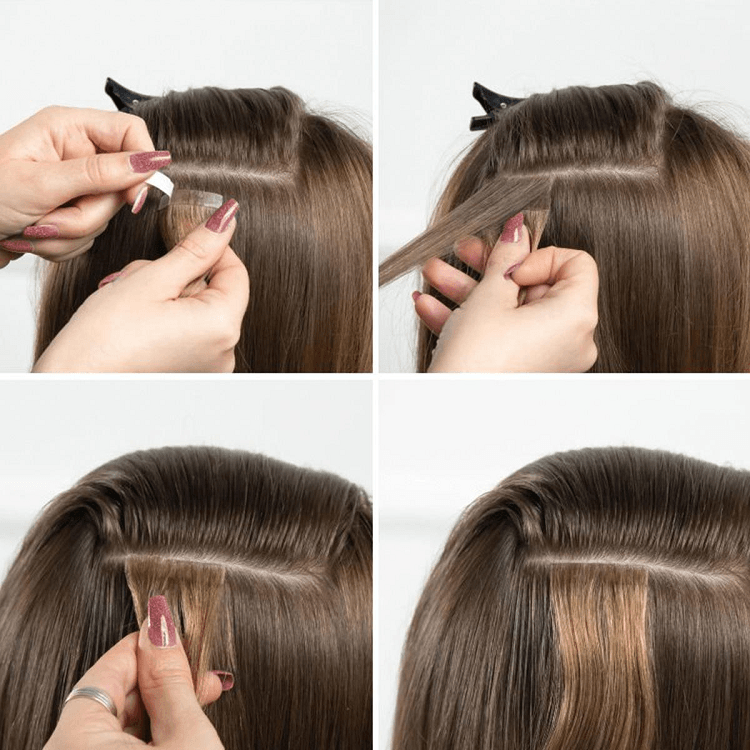
Tape-in extensions use thin adhesive strips to sandwich natural hair between two extension panels.
Their advantages include:
- Flat attachment
- Lightweight feel
- Natural movement
- Professional finish
- Comfortable daily wear
High-quality human hair extensions from a reliable supplier can blend almost invisibly with natural hair.
For clients with thinning crowns, tape-ins often create a more natural appearance because the extension lays closer to the scalp.
Clip-In vs Tape-In Extensions: Which Looks More Natural?
Key Takeaway: Tape-ins usually provide a more natural appearance for thinning top areas.
When comparing Clip-In vs Tape-In Extensions, appearance is one of the biggest factors.
Clip-In Appearance
Advantages:
- Good volume boost
- Easy placement
- Flexible styling
Challenges:
- Clips may create small bumps
- Less suitable for very fine hair
- May require strategic placement
Tape-In Appearance
Advantages:
- Very flat attachment
- Better scalp movement
- More seamless blending
For thinning tops, many professional stylists prefer tape-ins because they distribute weight more evenly.
How Do Clip-In and Tape-In Extensions Differ in Installation?
Key Takeaway: Installation time and maintenance requirements are different for each method.
Clip-In Installation
Usually takes:
- 5–20 minutes
Clients can apply them themselves.
Tape-In Installation
Usually takes:
- 45–90 minutes professionally
A stylist carefully sections the hair and applies each tape panel.
Although tape-ins require professional installation, many clients prefer the convenience of wearing them daily without repeated application.
Which Is Better for Thin Hair: Clip-In or Tape-In?
Key Takeaway: Tape-ins are generally better for clients with thin or fine hair because they create less visible attachment points.
When comparing tape in vs clip in extensions, tape-ins often win for thinning hair because:
- They are lighter
- They sit flatter
- They distribute weight better
- They move naturally with the hair
However, clip-ins may still work for clients who:
- Have stronger natural hair
- Only need occasional volume
- Prefer removable extensions
Are Tape-In Extensions Safe for Thinning Hair?
Key Takeaway: Proper installation and high-quality products are essential for safe extension wear.
Tape-ins can be suitable for thinning hair when installed correctly.
Professional recommendations include:
- Using lightweight panels
- Avoiding excessive tension
- Selecting proper extension weight
- Scheduling maintenance appointments
A trusted hair supplier should provide consistent quality materials to support safe and comfortable wearing experiences.
How Long Do Clip-In and Tape-In Extensions Last?
Key Takeaway: Lifespan depends on hair quality, care routine, and application method.
Typical lifespan:
Clip-In Extensions
- Around 6–12 months with proper care
Tape-In Extensions
- Hair can often be reused several times
- Maintenance is usually required every 6–8 weeks
Premium human hair extensions last significantly longer than synthetic alternatives.
Which Extension Method Is More Cost-Effective?
Key Takeaway: The best value depends on how often the client wears extensions.
Clip-In Cost Advantages
- Lower initial investment
- No salon maintenance required
- Good for occasional use
Tape-In Cost Advantages
- Better for daily wear
- More natural appearance
- Professional salon service opportunities
For salons, tape-ins can create recurring revenue through installation and maintenance appointments.
What Hair Quality Should Salons Look for?
Key Takeaway: Premium hair quality determines customer satisfaction and repeat business.
Whether selling clip-ins or tape-ins, salons should prioritize:
- 100% human hair
- Remy hair quality
- Soft texture
- Thick ends
- Minimal shedding
- Natural shine
A professional human hair extensions factory should provide strict quality control from sourcing to final production.
Why Choose a Professional Hair Extensions Factory?
Key Takeaway: Direct factory partnerships provide better quality control and customization options.
Working directly with a manufacturer allows businesses to access:
- Wholesale pricing
- Custom colors
- Custom lengths
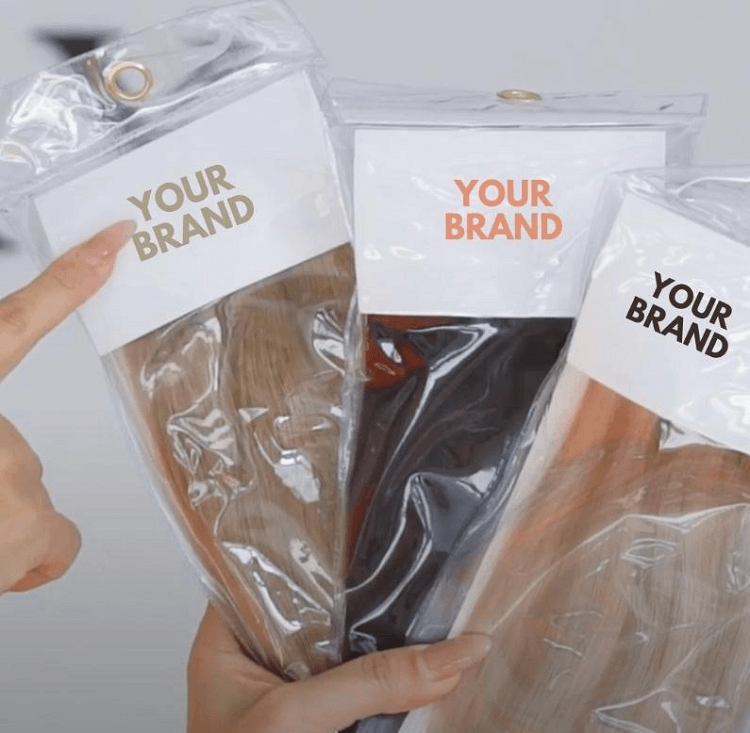
- Private labeling
- OEM services
- Stable inventory
A reliable factory partner helps salons maintain consistent quality for every client.
Why Work With Jiffy Hair Factory?
Key Takeaway: Jiffy Hair supports salons and brands with professional-quality extension solutions.
As an experienced jiffy hair factory, Jiffy Hair provides:
- Premium human hair extensions
- Clip-in extensions
- Tape-in extensions
- Custom hair solutions
- Wholesale services
- Professional manufacturing support
Our goal is to help salons, distributors, and hair brands offer natural-looking extension solutions for different customer needs.
How Should Salons Recommend Extensions for Thinning Tops?
A simple consultation process:
Step 1: Check Hair Density
Determine whether the client has:
- Fine hair
- Medium density
- Advanced thinning
Step 2: Understand Lifestyle
Ask:
- Daily wear or occasional use?
- Styling habits?
- Maintenance preference?
Step 3: Choose the Right Product
Recommend:
- Clip-ins for temporary volume
- Tape-ins for natural daily enhancement
Conclusion: Clip-In vs Tape-In Extensions, Which One Should You Choose?
When comparing Clip-In vs Tape-In Extensions, there is no single answer for every client.
For thinning top areas, Tape-In Extensions are usually the better choice because they provide flatter, lighter, and more natural coverage. They are especially suitable for clients who want everyday volume and seamless blending.
Clip-ins remain a great option for temporary styling and customers who prefer flexibility.
For salons and hair businesses, offering both options allows you to serve more customers. Partnering with a trusted human hair extensions factory like Jiffy Hair ensures access to premium products, reliable supply, and customized solutions.
FAQs About Clip-In vs Tape-In Extensions
1. Are tape-in extensions better than clip-ins for thinning hair?
Yes. Tape-in extensions are generally better for thinning hair because they are flatter, lighter, and create a more natural appearance.
2. Can clip-in extensions damage thin hair?
Clip-ins are safe when used correctly, but heavy clips or frequent pulling may create tension on fragile hair.
3. How long do tape-in extensions last?
Tape-in extensions usually last 6–8 weeks per application before maintenance, while the hair itself can be reused depending on quality.
4. What type of extensions look most natural for thinning crowns?
Lightweight tape-ins, invisible tape extensions, and premium human hair extensions usually provide the most natural results.
5. Where can salons buy wholesale clip-in and tape-in extensions?
Salons can purchase from professional manufacturers like Jiffy Hair Factory, which provides wholesale human hair extensions, customization, and factory-direct solutions.

About Jiffy Hair – Trusted Wholesale Hair Extensions Supplier
Jiffy Hair Factory is a professional human hair extensions manufacturer and wholesale supplier established in 2001.
With over 20 years of experience in the hair industry, we specialize in producing salon-quality human hair extensions for salons, distributors, and hair brands across the United States and Europe.
Our factory follows strict quality control standards, including raw hair selection, professional processing, and multiple inspection stages to ensure consistent quality for professional markets.
We provide reliable bulk hair extension supply, private label services, and custom packaging solutions to support growing hair businesses worldwide.
If you are looking for a reliable hair extension factory or wholesale supplier, Jiffy Hair is ready to support your brand.
Contact Jiffy Hair Factory to learn more about our wholesale hair extensions and partnership opportunities.

 English
  Español