

Tape-in extensions have become a salon staple. They’re fast to install, comfortable to wear, and deliver seamless volume clients love. But one question keeps surfacing in consultations and online searches:
Are Tape-In Hair Extensions Suitable for All Hair Types?
If you’re a salon owner, wholesaler, or brand merchant, this question matters more than you think. The answer impacts client satisfaction, retention rates, and ultimately your reputation.
Let’s break it down from a professional standpoint—covering safety, suitability, risks, and how working with a professional tape in hair extension manufacturer makes all the difference.
Why This Question Matters for Salon Owners
Before we answer “Are Tape-In Hair Extensions Suitable for All Hair Types,” let’s understand why it’s such a common concern.
Clients today are informed. They ask:
Can tape in extensions damage hair?
What hair types are best for tape in extensions?
Will they work on fine or curly hair?
Are they safe for chemically treated hair?
As professionals, we need clear, honest answers—not sales talk.
Key Takeaway
Tape-in extensions are versatile, but they are not universally ideal. Hair density, texture, and condition determine suitability.
What Exactly Are Tape-In Hair Extensions?
Tape-ins are pre-taped wefts applied by sandwiching natural hair between two adhesive strips. They lie flat against the scalp and distribute weight evenly.
They’re known for:
Lightweight feel
Seamless blending
Quick installation
Reusable applications
But suitability depends on execution and quality.
Are Tape-In Hair Extensions Suitable for All Hair Types? The Direct Answer
Let’s address it clearly.
No, tape-in hair extensions are not automatically suitable for all hair types.
However, with correct customization and high-quality materials, they work for most hair types.
They work best for:
Fine to medium hair
Straight to slightly wavy textures
Clients seeking natural-looking volume
They require caution for:
Extremely thin or fragile hair
Highly textured or coily hair
Severely damaged hair
Key Takeaway
The method is adaptable, but professional evaluation is non-negotiable.
What Hair Types Are Best for Tape In Extensions?
This is one of the most searched sub-questions.
1. Fine Hair
Tape-ins are often ideal because:
They lay flat
They’re lightweight
They distribute tension evenly
When clients ask, “What hair types are best for tape in extensions?” — fine hair is often at the top of the list.
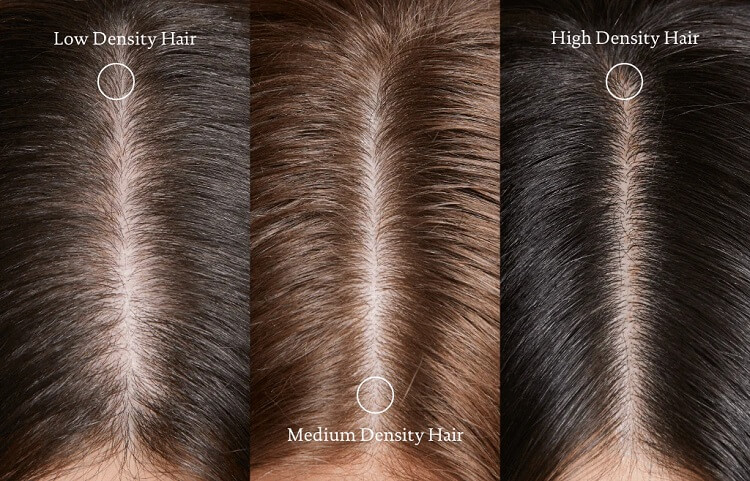
2. Medium Density Hair
This is the easiest category to work with. Tape-ins blend effortlessly and hold securely.
3. Slightly Wavy Hair
With proper texturing and layering, tape-ins look natural and undetectable.
Key Takeaway
Fine to medium density hair types are typically the best candidates for tape-in systems.
Can Tape In Extensions Damage Hair? Let’s Be Honest
This question deserves transparency.
Yes—tape-ins can cause damage.
But no—they don’t automatically cause damage.
Tape-ins may damage hair when:
Installed too close to the scalp
Applied to weak hair
Removed improperly
Overloaded on thin sections
Made with low-quality adhesive
They do NOT damage hair when:
Proper sectioning is used
Weight matches hair density
Adhesive is salon-grade
Removal solution is applied correctly
Key Takeaway
“Can tape in extensions damage hair?”
Yes—if done poorly.
No—when installed and sourced professionally.
How Does Hair Condition Affect Suitability?
Hair type and hair condition are not the same.
A client may have medium density hair—but if it’s over-processed or chemically damaged, tape-ins may not be ideal.
Red Flags:
Excessive breakage
Severe thinning
Elasticity loss
Scalp sensitivity
In these cases, alternative methods may be safer.
Are Tape-Ins Good for Curly or Textured Hair?
Curly hair requires extra evaluation.
Tape-ins can work on curly textures when:
The extension texture matches natural curl pattern
Sections are customized
Installation avoids bulky stacking
However, very tight coils may benefit more from braided or sew-in methods.
Key Takeaway
Texture matching is essential. Without it, blending issues and tension problems arise.
What About Very Thick Hair?
Interestingly, tape-ins can be less ideal for very dense hair unless multiple packs are used.
Thick hair requires:
Strategic placement
Balanced weight distribution
Additional wefts for volume consistency
Otherwise, blending may look uneven.
Why Adhesive Quality Determines Safety
One overlooked factor in answering “Are Tape-In Hair Extensions Suitable for All Hair Types?” is adhesive formulation.
Low-grade adhesive can:
Cause buildup
Slip prematurely
Increase removal damage
High-grade, medical-style adhesive:
Maintains grip without over-pulling
Allows clean removal
Protects cuticle integrity
This is where working with a professional tape in hair extension manufacturer matters.

How Installation Technique Impacts Hair Health
Even the best extensions fail with poor application.
Professional installation includes:
Correct section thickness
Proper alignment
Balanced spacing
Avoiding overlapping bonds
Improper technique is the real reason many ask, “Can tape in extensions damage hair?”
Why Manufacturer Quality Changes Everything
Not all tape-in extensions are created equal.
A trusted professional tape in hair extension manufacturer ensures:
Cuticle-aligned human hair
Uniform strand thickness
Secure, flexible tape
Consistent weight control
Triple quality inspections
Low-cost, poorly processed hair tangles more, leading clients to over-brush—causing breakage.
Key Takeaway
High-quality sourcing reduces long-term structural stress on natural hair.
Jiffy Hair Factory: Built for Professional Standards
Since 2001, Jiffy Hair has been a trusted manufacturing force behind leading U.S. and European hair brands.
As a professional tape in hair extension manufacturer, Jiffy Hair delivers:
100% cuticle-aligned human hair
ISO-certified production standards
Triple quality inspections
Salon-ready adhesive systems
Consistent weight calibration
We actively participate in international trade shows and conduct market research to align with global styling trends.
For salon owners and wholesalers, this means:
✔ Reliable supply
✔ Stable quality batches
✔ Custom packaging solutions
✔ On-time global delivery
✔ Dedicated international support
We don’t just produce extensions—we help partners build profitable, reputable brands.
How Salons Should Evaluate Client Suitability
When assessing if tape-ins are appropriate, ask:
What is the client’s density?
Is the hair chemically compromised?
Is the scalp healthy?
Can the hair support added weight?
Clear consultation protects both client hair and salon reputation.
When Should Tape-Ins Be Avoided?
Avoid tape-ins when:
Hair is severely thinning
Active scalp conditions exist
Client cannot commit to maintenance
Breakage is extreme
Alternative methods may be safer.
What Maintenance Is Required for Different Hair Types?
Maintenance affects longevity and safety.
Clients should:
Brush gently twice daily
Avoid oil near tape bonds
Schedule repositioning every 6–8 weeks
Use sulfate-free shampoo
Improper care—not the method itself—often answers the question: “Can tape in extensions damage hair?”
Tape-In Extensions vs Other Methods
Compared to:
Clip-ins – Tape-ins offer longer wear.
Nano rings – Tape-ins distribute weight more evenly.
Sew-ins – Tape-ins are lighter and flatter.
Each method has advantages, but tape-ins remain one of the most adaptable systems for fine to medium hair.
The Business Perspective for Wholesalers
For wholesalers and brand merchants, answering “Are Tape-In Hair Extensions Suitable for All Hair Types?” helps:
Reduce returns
Improve customer education
Increase brand authority
Build long-term trust
Stocking high-quality systems from a professional tape in hair extension manufacturer protects your margins.
Conclusion
So, are tape-in hair extensions suitable for all hair types?
Not universally—but they are suitable for most hair types when:
Hair condition is stable
Density supports added weight
Installation is professional
Product quality is premium
Fine to medium hair types are generally the best candidates.
And when clients ask, “Can tape in extensions damage hair?” — the honest answer is that quality and technique determine outcomes.
Partnering with an experienced manufacturer like Jiffy Hair ensures your salon offers safe, reliable, high-performance tape-in systems designed for today’s global market.
Because in the end, great extensions should enhance hair—not compromise it.
FAQs
1. Are tape-in hair extensions suitable for thin hair?
Yes, when lightweight sets are used and installed correctly, they are often ideal for fine hair.
2. Can tape in extensions damage hair permanently?
No, not when applied and removed properly using high-quality products.
3. What hair types are best for tape in extensions?
Fine to medium density hair types typically see the best results.
4. How long do tape-in extensions last?
With proper maintenance, 6–8 weeks per installation cycle.
5. Why choose a professional tape in hair extension manufacturer?
Consistent quality, safe adhesives, and cuticle alignment reduce risks and improve client satisfaction.

Jiffy Hair Factory is an experienced hair factory, we not only care about the quality of the wholesale hair extensions we provide, but also care about boosting your hair business.
If you want to get a reliable hair supplier, click “here” to send us an inquiry!

 English
  Español